
Returns and price adjustments for holiday sales
How to protect yourself when a sale price drops after you buy: what to check in return and price-adjustment policies, and what to keep.
Mathieu Roux4 min read
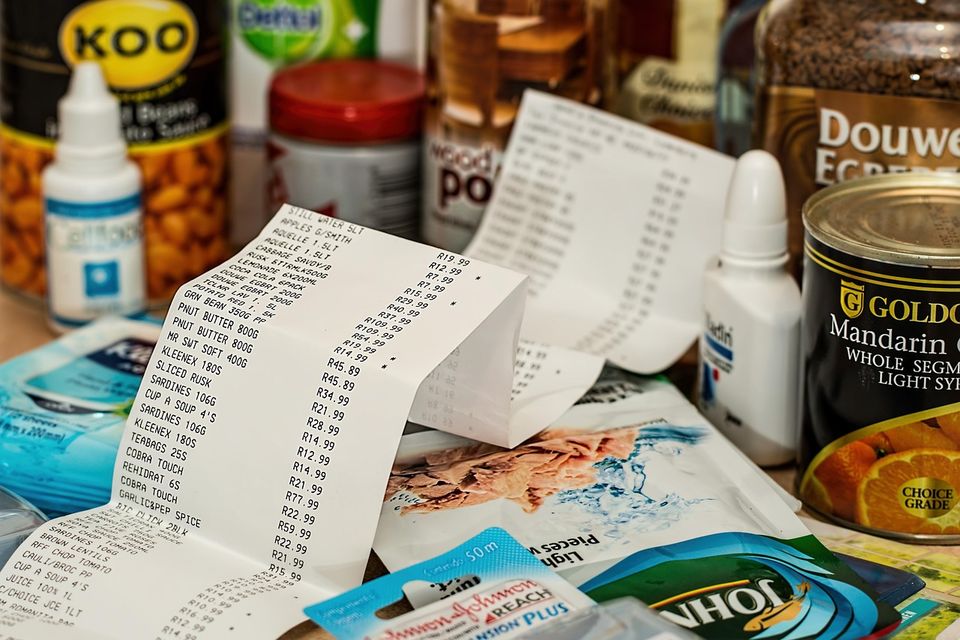
Verdict: Buy now only if you know the return window. A good price with a short return window is a risky price.
A sale price is only half of a deal. The other half is what happens if you change your mind, receive the wrong thing, or see the price drop a week later. Stores handle these cases differently, so the habit that matters is simple: read the policy before you pay, not after.
What is a price adjustment?
Some retailers will refund the difference if the price of an item you bought falls within a set number of days. Some do it automatically, some only on request and some not at all. Many exclude certain items or sales events. Find the policy on the store's own page, since it changes by season. Do not assume a store offers it because another one does.
What should you check before buying?
- Return window. How many days, and does the clock start on the order date or the delivery date?
- Holiday extension. Many stores extend returns for gifts bought in the holiday period, but dates vary.
- Who pays for shipping. Return shipping, restocking fees and open-box rules can change the real cost.
- Exclusions. Electronics, opened software and custom items are often treated differently.
- Price adjustment. Does it exist, for how long, and does it apply to sale events?
Consumer agencies such as the US Federal Trade Commission generally suggest checking refund terms, shipping costs and restocking fees before ordering.

What if the price drops after you buy?
Do these in order:
- Check the store's price-adjustment policy for your item.
- If it applies, contact the store with your order number, the new price and the date.
- If it does not, compare the saving to the effort of returning and rebuying. For a small difference, keep it.
- If the item is still within the return window and the drop is large, a return and rebuy may be an option. Check that the new price is not a limited one.
This is where the price-history check helps in reverse: if the item has dropped to this price before, then it may drop again.
What proof do you need?
Keep the order confirmation, the receipt and the packaging until the return window ends. Photograph any damage right away. For gifts, ask for a gift receipt. If you are shopping for others, the gift timing plan covers when to buy so the return window still works.
Does the payment method matter?
It can. Consumer agencies often point out that credit cards can carry stronger dispute protection than some other payment types, and a card issuer may offer its own dispute process if an order never arrives or is not as described. Terms differ by card, so read your issuer's page rather than assuming. ## Marketplace sellers and third parties
A product sold by a third-party seller on a big retailer's site may follow the seller's return policy, not the store's. The product page usually says who sells and who ships. Check this line before you buy, especially for gifts. If the seller is not the store itself, assume the return window and the price-adjustment rules are different until you have read them.
When is a return policy a reason to skip the sale?
Skip when the window ends before the holiday, when returns carry a fee or when the item is marked final sale. A lower price with no way back is the kind of deal that is worth less than it looks. If you are choosing between two prices, take the one with the better policy. For a sense of what is usually worth buying at all, start with what is real and what is hype on Black Friday.
More to read
Keep reading

Black Friday vs January sales: which is cheaper
Black Friday vs January sales: which time is better for TVs, coats, fitness gear and gifts, and how to choose by category instead of by hype.
Rania Khelifi4 min read

How to stack coupons, cashback and sale prices
How to stack coupons, cashback and sale prices in a safe order, and which discounts usually cannot be combined. A plain guide to saving more.
Rania Khelifi4 min read

Should I wait for Black Friday to buy a laptop
Should I wait for Black Friday to buy a laptop? Usually yes if you can wait, unless a new model is close or yours has failed. Here is the rule.
Rania Khelifi2 min read

The countdown timer trick
A short opinion on countdown timers in sales: why they feel urgent, why most reset, and how a calm shopper can use the pressure to their favor.
Rania Khelifi4 min read

Black Friday TV deals: same model or a sale-only model
Black Friday TV deals can be real or can be a cheaper model made for the sale. Here is how to check the model number before you buy a TV.
Rania Khelifi2 min read

How to spot a fake sale before you buy
How to spot a fake sale in minutes: check the "was" price, the price history and the model, and learn the signs of fake Black Friday deals.
Rania Khelifi5 min read