
The countdown timer trick
A short opinion on countdown timers in sales: why they feel urgent, why most reset, and how a calm shopper can use the pressure to their favor.
Rania Khelifi4 min read
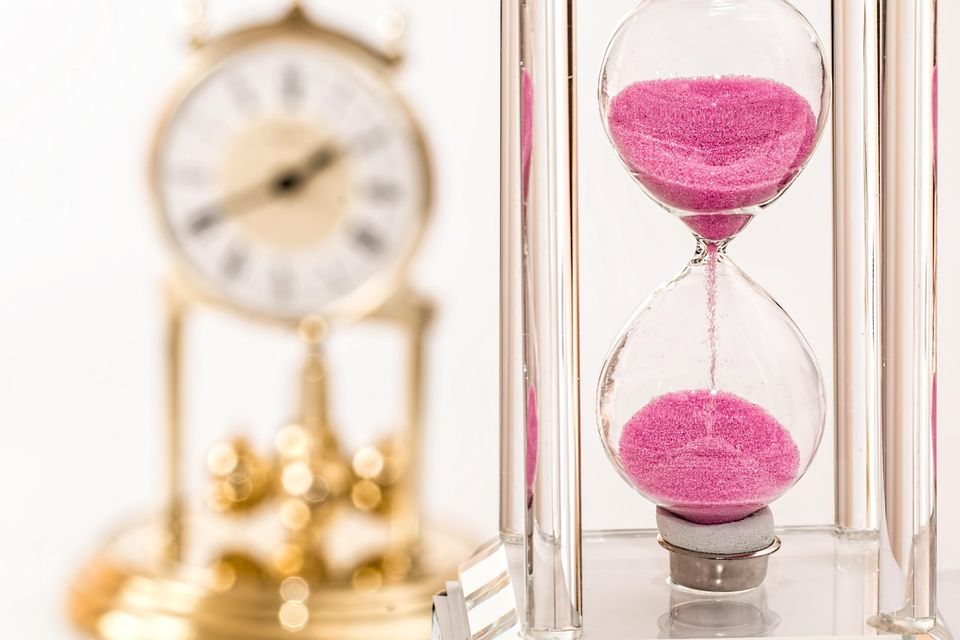
A red clock sits at the top of the page. It says the deal ends in 02:14:36. Your heart picks up a little. You start to type the card number.
That is the countdown timer trick. It works because a clock turns a decision into a race. In a race, you stop asking if you want to win.
What the clock is for
A timer has one job. It makes you decide faster than you would on a calm day. Faster decisions are usually worse ones. You skip the price check. You skip the return policy. You do not look at the model number.
Some timers are real. A store may end a deal at midnight and mean it. Others are not tied to anything. A page may reset the clock when you reload. A banner can say "ends tonight" and say the same thing tomorrow.
You cannot always tell which is which. That is the point. The uncertainty does the work.
The calm way to use it
Treat the timer as a prompt to do a check, not a prompt to buy. A short routine helps. It takes about two minutes.
- Look at the price history. Last 30 days, last 90 days, last big event. The steps are in how to check price history before you buy.
- Ask if the "was" price is real. See how to spot a fake sale before you buy.
- Check the return window.
- Ask if you would buy it without the clock.
If the answer to the last question is no, close the page. If it is yes and the price is at your target, buy and enjoy it.
What you lose by waiting
Sometimes you lose the item. Stock can run out. That is real, and it is a fair price of waiting. Not every item is worth the risk, and not every miss is a loss. Most items return, often at a similar price.
A wiser question than "will it sell out" is "how bad is it if it does". For a TV you want, it is a small annoyance. For a gift that must arrive by a set date, it may be more. Match your patience to the stakes.
A small habit
Open the page, take a screenshot of the price and close it. Come back in an hour. If you still want it and the price still holds, you have your answer. If the clock reset, you have learned something about that store.
This is the same lesson as the sale that never ends. Sales come back, and a calm shopper pays less than a hurried one. The clock is loud because it needs to be. The best answer is often to let it run out.
A word on stock
Stores also show "only 3 left" messages. Some are real. Many show a low number to a shopper who has looked at an item more than once. You cannot see the shelf, so you cannot check. Treat low stock like the clock: a prompt to check, not a prompt to pay.
If stock is real, you will see it on other stores too. If the item is gone everywhere, it was likely a rare pick. If only one page says it, the message may be a design choice.
What to remember
The best buyers are not the fastest. They are the ones who know what they want, what it should cost and what to do if they miss it. Missing a deal is a small cost. Paying more than you planned for something you did not need is a larger one.
Close the tab. Take a walk. If the item is still worth it when you get back, you will know it was a real want.
A note for gift buyers
Gift shopping adds a second clock, the delivery date. Keep the two apart. A sale clock tells you when a price ends. A shipping clock tells you when a gift arrives. If the shipping date is safe, you can take a day to think about the price. If it is not, the sale is not the issue. See holiday shipping cutoffs: when to order so gifts arrive for how to read the dates.
More to read
Keep reading
Returns and price adjustments for holiday sales
How to protect yourself when a sale price drops after you buy: what to check in return and price-adjustment policies, and what to keep.
Mathieu Roux4 min read

Black Friday vs January sales: which is cheaper
Black Friday vs January sales: which time is better for TVs, coats, fitness gear and gifts, and how to choose by category instead of by hype.
Rania Khelifi4 min read

How to stack coupons, cashback and sale prices
How to stack coupons, cashback and sale prices in a safe order, and which discounts usually cannot be combined. A plain guide to saving more.
Rania Khelifi4 min read
Should I wait for Black Friday to buy a laptop
Should I wait for Black Friday to buy a laptop? Usually yes if you can wait, unless a new model is close or yours has failed. Here is the rule.
Rania Khelifi2 min read
Black Friday TV deals: same model or a sale-only model
Black Friday TV deals can be real or can be a cheaper model made for the sale. Here is how to check the model number before you buy a TV.
Rania Khelifi2 min read

How to spot a fake sale before you buy
How to spot a fake sale in minutes: check the "was" price, the price history and the model, and learn the signs of fake Black Friday deals.
Rania Khelifi5 min read